Last Updated: 25 May 2026 at 04:55 PM
Updated By: Uwandu Chinwe
- Who Was Cynthia Hayes?
- What Is the Cynthia Hayes Memorial Scholarship?
- Scholarship Overview for 2026
- What Does the Scholarship Cover?
- Who Is Eligible?
- Racial and Ethnic Identity
- Level of Study
- Program Progress Requirements
- MANRRS Membership
- Academic Standing
- Values and Interests
- Encouragement for Marginalized Students
- About the Organizations Behind the Scholarship
- The Southeastern African American Farmers’ Organic Network (SAAFON)
- The National Sustainable Agriculture Coalition (NSAC)
- Minorities in Agriculture Natural Resources and Related Sciences (MANRRS)
- Why This Scholarship Matters Now
- How to Apply for the Cynthia Hayes Memorial Scholarship 2026
- Step 1: Confirm Your Eligibility
- Step 2: Become a MANRRS Member
- Step 3: Gather Your Materials
- Step 4: Prepare a Strong Personal Statement
- Step 5: Choose a Strong Reference
- Step 6: Submit Your Application Before the Deadline
- Tips for Writing a Winning Application
- Connect Your Story to Cynthia Hayes’ Legacy
- Be Specific About Your Experiences
- Show Your Understanding of Systemic Issues
- Express Your Future Goals Clearly
- Do Not Wait Until You Feel Ready
- Past Scholars and Their Impact
- Other Scholarships and Opportunities from NSAC and MANRRS
- How to Apply: Official Link
- Final Thoughts
If you are a Black or Indigenous student with a passion for sustainable agriculture, food justice, or agricultural policy, the Cynthia Hayes Memorial Scholarship 2026 is an opportunity worth your full attention. Offering a $5,000 award to both undergraduate and graduate students, this scholarship is much more than financial assistance. It is a tribute to a visionary leader, an investment in the next generation of advocates, and a powerful statement about who belongs in the future of American agriculture.
In this article, we will take you through everything you need to know about the Cynthia Hayes Memorial Scholarship for 2026, including who it is for, what it covers, how to apply, what the selection committee is looking for, and how to put together the strongest possible application. Whether you are just discovering this scholarship today or you have been following it for a while, read on for the complete picture.
Who Was Cynthia Hayes?
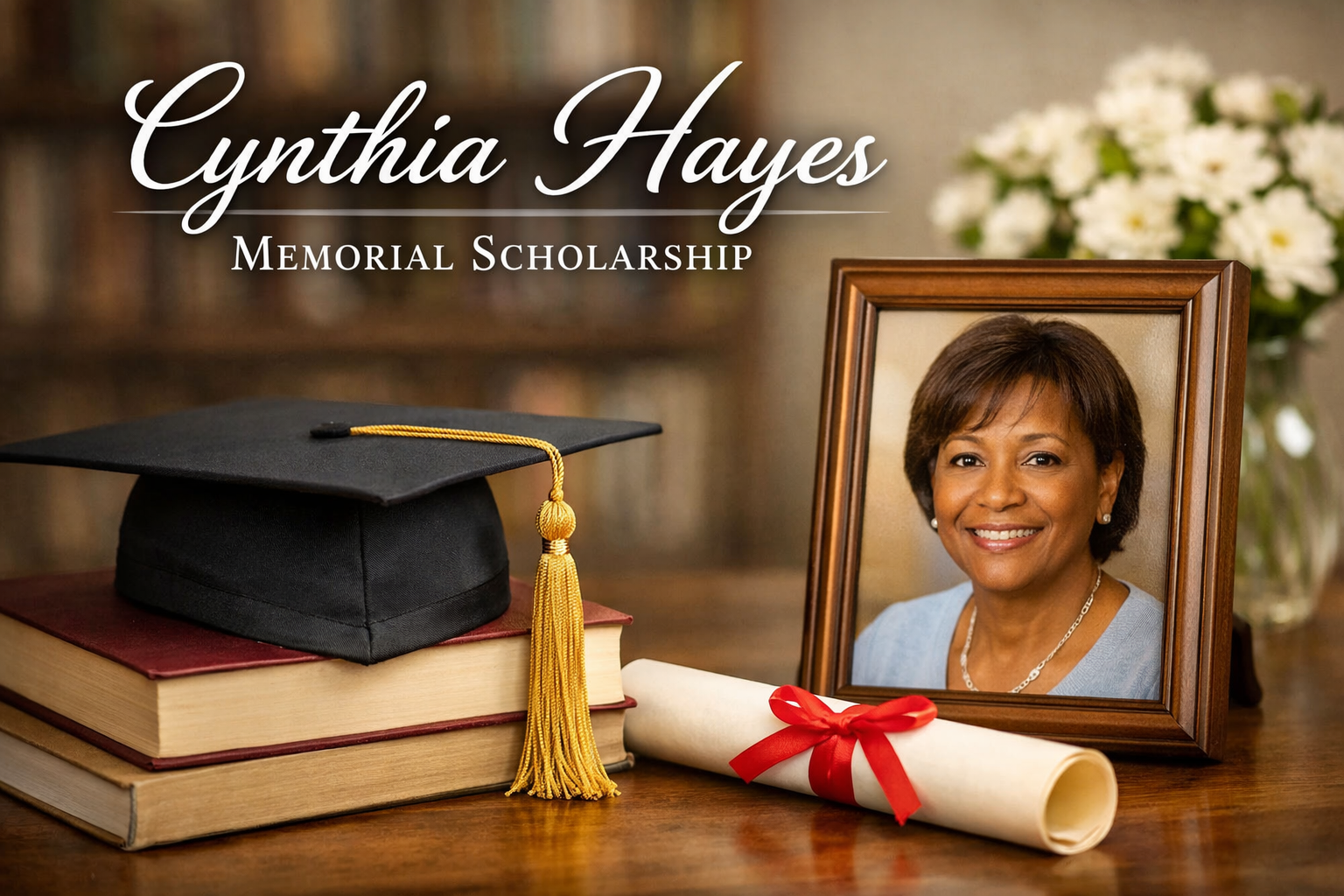
Before diving into the details of the scholarship, it is important to understand the person it honors. Cynthia Hayes was not just a figure in the world of agriculture. She was a transformative leader whose work touched communities across the United States, the Caribbean, and beyond.
Cynthia Hayes was the co-founder and former director of the Southeastern African American Farmers’ Organic Network, known as SAAFON. She was a founder of the first network for African American organic farmers in the United States and dedicated her life to serving these communities. Her roots in agriculture ran deep. She spent time on her grandmother’s farm in Kentucky as a young person, where she learned about her family’s history of over 80 years of tobacco farming. That personal connection laid the foundation for the work she would dedicate her life to.
Her path was not straightforward. Cynthia went on to work in nonprofits in the Bay Area, using her talents to support grant writing efforts and working in group homes. She later relocated with her husband to Jamaica, where she began working directly with farmers. In 2000, she moved to Savannah, Georgia, where her work centered on land, environmental justice, and the plight of African American farmers.
In addition to SAAFON, Cynthia was a founding member of several other nonprofit organizations and programs that worked to build power among Black growers. Her impact and leadership were recognized with several prestigious awards, including the 2013 James Beard Award and the 2013 Southern Foodways Alliance John Egerton Award. She was an inspirational force in the development of the National Sustainable Agriculture Coalition’s equity platform and initiatives that followed.
Her legacy is not something that faded with her passing. It lives on in the communities she built, the advocates she mentored, and the scholarship that now bears her name.
What Is the Cynthia Hayes Memorial Scholarship?
The Cynthia Hayes Memorial Scholarship is an annual award created in memory of Cynthia Hayes by the Southeastern African American Farmers’ Organic Network (SAAFON) and the National Sustainable Agriculture Coalition (NSAC), in partnership with Minorities in Agriculture Natural Resources and Related Sciences (MANRRS).
The scholarship has been running since 2017 and is now in its eighth cycle for the 2026 academic year. Over the years, it has supported dozens of Black and Indigenous students who have gone on to make meaningful contributions to sustainable agriculture, food policy, and grassroots organizing across the United States.
The purpose of this scholarship is clear and intentional. It exists to support students who not only study agriculture or related fields but who also carry a genuine commitment to racial equity in the food and farming system. It honors Cynthia Hayes’ life’s work by investing in the people most likely to continue that work in a meaningful way.
According to Tyler Edwards, Grassroots Advocacy Coordinator at NSAC, the scholarship is a powerful way for NSAC and SAAFON to honor Cynthia’s legacy, especially when programs that uplift Black and Indigenous students are under threat. The scholarship represents an investment in the education of Black and Indigenous advocates who will go on to support diverse and resilient food systems around the country.
Scholarship Overview for 2026
Here is a quick-reference summary of the key details for the Cynthia Hayes Memorial Scholarship 2026:
- Scholarship Name: Cynthia Hayes Memorial Scholarship
- Year: 2026 (Eighth Cycle)
- Offered By: SAAFON and the National Sustainable Agriculture Coalition (NSAC)
- Partner Organization: Minorities in Agriculture Natural Resources and Related Sciences (MANRRS)
- Award Amount: $5,000 per recipient
- Number of Awards: Three (one graduate student and two undergraduate students)
- Eligible Students: Black and/or Indigenous undergraduate and graduate (Master’s) students
- Minimum GPA: 2.5
- Application Deadline: May 1, 2026
- Applications Opened: April 3, 2026
- Award Presentation: Summer 2026
- PhD Students: Not eligible
- Contact: scholarship@sustainableagriculture.net
What Does the Scholarship Cover?
Each scholarship recipient receives a $5,000 cash award. There are no restrictions placed on how the money is used, which means you can apply it to tuition, housing, books, research expenses, or any other education-related cost.
But the financial award is only part of the picture. Scholarship recipients also receive opportunities to connect with sustainable food and farm advocates and become more involved with the partnering organizations and their networks. This means you are not just getting a check. You are gaining access to a community of professionals, advocates, and policymakers who are working on the front lines of food justice and sustainable agriculture in the United States.
That network access can be invaluable for your career development. Past scholarship alumni have gone on to work at organizations like Practical Farmers of Iowa, Young Farmers, and the New Virginia Majority. These are exactly the kinds of opportunities that open up when you become part of the Cynthia Hayes scholarship community.
Who Is Eligible?
Understanding the eligibility requirements is the first step toward deciding whether to apply. The Cynthia Hayes Memorial Scholarship has a set of specific criteria that reflect the values and mission of the organizations behind it.
Racial and Ethnic Identity
This scholarship is open to students who self-identify as Black and/or Indigenous. The scholarship welcomes applications from Black and Indigenous undergraduate and Master’s students from all Tribal Nations, US states, and territories. This is a core requirement and one that reflects the scholarship’s specific focus on supporting communities that have historically been marginalized in the agricultural sector.
Level of Study
The scholarship is open to both undergraduate and graduate students at the Master’s level. PhD students are not eligible to apply. This is an important distinction, so if you are currently enrolled in a doctoral program, you should look for other funding opportunities.
Program Progress Requirements
For the 2026 cycle, undergraduate students must be either entering their third year of enrollment or the first semester of their fourth year during the Fall semester of 2026. Graduate students must have completed at least four courses by Fall 2026. All applicants must also have at least one semester left before graduation. This requirement ensures that scholarship recipients have enough time remaining in their programs to put the award to meaningful use.
MANRRS Membership
You must be a MANRRS member, either independently or through a university-affiliated chapter, and you must be enrolled in an undergraduate or graduate program seeking a degree. MANRRS, which stands for Minorities in Agriculture Natural Resources and Related Sciences, is a professional organization that supports students of color pursuing careers in agriculture and related fields. Becoming a member is generally an accessible process, and it opens doors to many other scholarships, networking opportunities, and professional development resources beyond this scholarship alone.
Academic Standing
You must be a student in good standing with a minimum GPA of 2.5. This is a relatively accessible threshold, reflecting the scholarship’s commitment to supporting students from a wide range of academic backgrounds rather than exclusively rewarding students with near-perfect grade point averages.
Values and Interests
Perhaps more important than any of the technical requirements is the values alignment. Students should have an interest in grassroots organizing, movement building, or agricultural policy and a demonstrated commitment to promoting racial equity in the food and farm system. You should also have demonstrated knowledge or experience in racial equity and an interest in pursuing leadership or a career in the sustainable food and farm movement.
If you have been involved in community organizing, food access work, Indigenous land rights, environmental justice, agricultural advocacy, or any other work that connects to these themes, this is the scholarship where that experience matters most.
Encouragement for Marginalized Students
One thing that sets this scholarship apart from many others is its explicit encouragement of students from additional marginalized identities. The scholarship strongly encourages applications from students from working class backgrounds, women, nonbinary and gender-nonconforming students, disabled students, LGBTQ+ students, and those who are members of other marginalized communities. Interested students are also encouraged to apply if they meet at least 75% of the qualifications, rather than waiting until they feel they check every single box.
This kind of inclusive language in a scholarship announcement is significant. It sends a clear message that the selection committee is not looking for the perfect application on paper. They are looking for genuine passion, real commitment, and authentic voices.
About the Organizations Behind the Scholarship
Understanding the organizations that created this scholarship can help you frame your application more effectively. It also helps you appreciate why this opportunity exists and what it stands for.
The Southeastern African American Farmers’ Organic Network (SAAFON)
SAAFON is the organization that Cynthia Hayes co-founded and directed. It is the first network dedicated to African American organic farmers in the United States. SAAFON works to support Black farmers through technical assistance, advocacy, community building, and access to resources. The organization operates primarily in the southeastern United States, a region with a rich but often painful history of Black agricultural labor and land ownership.
SAAFON’s work is deeply rooted in the idea that Black farmers are not just participants in the food system but leaders and knowledge holders whose contributions have been systematically undervalued. The organization is committed to building a food system that recognizes that history and works actively to correct it.
The National Sustainable Agriculture Coalition (NSAC)
The National Sustainable Agriculture Coalition is a grassroots alliance that advocates for federal policy reform to support the long-term social, economic, and environmental sustainability of agriculture, natural resources, and rural communities. NSAC is headquartered in Washington, DC, at 110 Maryland Avenue NE, Suite 209.
NSAC works on federal farm policy, pushing for changes that benefit small and mid-sized farmers, beginning farmers, farmers of color, and rural communities more broadly. Its members include farmers, environmental organizations, rural development advocates, and many other stakeholders from across the country.
For students interested in agricultural policy and advocacy, NSAC is one of the most important organizations to know. The Cynthia Hayes Memorial Scholarship is one of NSAC’s key equity initiatives, reflecting the coalition’s broader commitment to supporting emerging leaders of color in the sustainable food movement.
Minorities in Agriculture Natural Resources and Related Sciences (MANRRS)
MANRRS is a professional organization dedicated to supporting students of color in the fields of agriculture, natural resources, and related sciences. It operates through chapters at universities across the United States and provides members with networking events, mentorship opportunities, leadership development programs, and access to scholarships and internships.
Membership in MANRRS is required for the Cynthia Hayes Memorial Scholarship. If you are not already a member, joining MANRRS is a worthwhile step regardless of whether you apply for this scholarship. The organization offers significant value for students building careers in agriculture and related fields.

Why This Scholarship Matters Now
Across the United States, Black and Indigenous farmers have long faced systemic barriers, from land access to funding to representation in policy spaces. Programs like this scholarship are part of a broader effort to not only address those inequities but also to empower the leaders who understand them firsthand.
The numbers tell part of the story. Black farmers once made up a significant portion of the American agricultural workforce, but decades of discrimination in federal lending programs, land dispossession, and policy exclusion have dramatically reduced that number. Indigenous farmers and land stewards have faced their own devastating history of dispossession. These are not ancient history problems. They are ongoing structural inequities that shape who has access to land, capital, and opportunity in the food system today.
The Cynthia Hayes Memorial Scholarship is a direct response to those inequities. It prioritizes students who have lived experience of these communities and who are studying or planning to work in ways that can contribute to changing those dynamics. By investing in the education of Black and Indigenous students who are committed to food justice and racial equity, SAAFON and NSAC are planting seeds for long-term transformation in the food system.
The scholarship’s longevity is also meaningful. Having run since 2017 and now entering its eighth cycle, it has demonstrated sustained organizational commitment to this work. It is not a one-time gesture but an ongoing investment that is building a generation of alumni who are actively shaping the future of sustainable agriculture and food policy in the United States.
How to Apply for the Cynthia Hayes Memorial Scholarship 2026
The application process for the 2026 Cynthia Hayes Memorial Scholarship is relatively straightforward, but it requires thoughtful preparation. Here is a step-by-step guide to help you navigate the process.
Step 1: Confirm Your Eligibility
Before you invest time in an application, make sure you meet the core eligibility requirements. Ask yourself the following questions:
- Do you self-identify as Black and/or Indigenous?
- Are you enrolled in an undergraduate or Master’s program (not a PhD program)?
- Have you met the program progress requirements for your level of study?
- Do you have a GPA of at least 2.5?
- Are you a MANRRS member or can you become one before applying?
- Do you have an interest in sustainable agriculture, food justice, racial equity, or agricultural policy?
If you can say yes to most of these, you are likely eligible to apply. Remember, you are encouraged to apply if you meet at least 75% of the criteria.
Step 2: Become a MANRRS Member
If you are not already a MANRRS member, this is the time to join. MANRRS membership is required for this scholarship. Check whether your university has an affiliated MANRRS chapter. Joining through a university chapter is often more affordable and gives you access to additional campus-based activities and mentorship.
Step 3: Gather Your Materials
The application asks you to provide detailed information about your background, experiences, and goals. While the exact application questions may vary slightly from year to year, you should generally be prepared to address the following:
- Your racial and ethnic background and how it connects to the purpose of the scholarship
- Your interest in sustainable agriculture, food justice, grassroots organizing, or agricultural policy
- Your demonstrated knowledge or experience in racial equity work
- Your career goals and how they relate to the food and farming movement
- Contact information for one reference who can speak to your experiences and suitability for the award
Step 4: Prepare a Strong Personal Statement
Your personal statement is the heart of your application. This is where you tell your story. Be honest, specific, and personal. Talk about how you came to care about sustainable agriculture or food justice. Share experiences that shaped your values. Describe what you hope to do with your education and how that connects to the legacy of Cynthia Hayes.
Do not write what you think the committee wants to hear. Write what is true for you. Authentic voices stand out, especially for a scholarship like this one, which was created by people who can recognize genuine commitment when they see it.
Step 5: Choose a Strong Reference
You will need to provide contact information for one reference who can speak to your suitability for this scholarship. Choose someone who knows your work in agriculture, food justice, organizing, or related areas. This could be a professor, supervisor, community leader, or mentor who has seen you in action and can speak concretely about what you bring to this field.
Make sure to give your reference plenty of advance notice and share the scholarship details with them so they can write something relevant and targeted.
Step 6: Submit Your Application Before the Deadline
The deadline for the 2026 Cynthia Hayes Memorial Scholarship is May 1, 2026. Applications opened on April 3, 2026, so the window is relatively short. Do not wait until the last minute to complete your application. Give yourself at least two weeks to draft, review, and refine your responses.
To submit your application, visit the official 2026 Cynthia Hayes Memorial Scholarship application portal and complete all sections before the May 1, 2026 deadline.
If you have questions about the application process, you can reach the scholarship team by email at scholarship@sustainableagriculture.net.
Tips for Writing a Winning Application
Given that only three scholarships are awarded each year, you want your application to stand out. Here are some practical tips to help you put your best foot forward.
Connect Your Story to Cynthia Hayes’ Legacy
The scholarship bears Cynthia Hayes’ name for a reason. Show that you understand who she was and what she stood for. You do not need to have known her personally, but you should demonstrate that you are familiar with her work and that your own goals connect to the kind of legacy she built. Whether it is your connection to Black farming communities, your work on food access, or your interest in Indigenous land rights, find the thread that links your story to hers.
Be Specific About Your Experiences
Vague statements about caring about agriculture or food justice will not set your application apart. Be specific. Name the organizations you have worked with, the communities you have served, the projects you have led, or the issues you have studied. Concrete details make your application believable and memorable.
Show Your Understanding of Systemic Issues
This scholarship values students who understand the structural dimensions of food injustice. Show that you understand not just that Black and Indigenous farmers face challenges, but why those challenges exist and how they connect to broader systems of land, policy, and power. This kind of analytical thinking will resonate with a selection committee made up of people who work on these issues every day.
Express Your Future Goals Clearly
The scholarship is an investment in your future. Help the committee understand what they are investing in. What do you want to do after you graduate? How will your education and this scholarship support that vision? Students who can articulate a clear and compelling direction for their careers tend to make a stronger case for why this award will make a real difference.
Do Not Wait Until You Feel Ready
Many talented students talk themselves out of applying for scholarships because they do not feel qualified enough. This scholarship was designed with exactly that hesitation in mind. The eligibility requirements explicitly encourage students to apply if they meet 75% of the criteria. The selection committee is looking for potential, passion, and commitment, not perfection.
Past Scholars and Their Impact
One of the most inspiring aspects of the Cynthia Hayes Memorial Scholarship is the community of alumni it has created. Scholarship recipients over the years have shared powerful stories about how the award changed their trajectories and how they carry Cynthia Hayes’ legacy forward in their own work.
One past recipient shared that some of her earliest memories were of being on the farm, picking corn, shelling peas, and hauling watermelons, surrounded by family and community. Her connection to farming inspired her to become a storyteller for Black farming communities, using documentary film to give voice to untold stories.
Another recipient connected directly to Cynthia Hayes herself. He grew up in Savannah, Georgia, where he and his family would visit the local farmers’ market at Forsyth Park every Saturday to support the Black farmers selling fresh fruits and vegetables. He described how Cynthia Hayes and local Black farmers introduced him to all the possibilities in agriculture and set him on his path to studying sustainable food systems.
These are not just inspiring personal stories. They are evidence that the Cynthia Hayes Memorial Scholarship is doing exactly what it was designed to do: finding talented young people with deep roots in Black and Indigenous farming communities and giving them the support they need to develop into leaders.
Other Scholarships and Opportunities from NSAC and MANRRS
If you are interested in the Cynthia Hayes Memorial Scholarship, it is worth knowing about the broader landscape of opportunities that NSAC, SAAFON, and MANRRS offer. These organizations are committed to building pipelines for students of color into careers in agriculture and food policy, and they offer a range of programs beyond this scholarship.
MANRRS holds an annual national conference where networking, career development, and scholarship presentations take place. Being an active MANRRS member puts you in the room with professionals, researchers, and policymakers who are working at the intersection of agriculture and equity.
NSAC also runs an NSAC Diversity Fund, which supports the organization’s work to increase equity within the sustainable agriculture movement more broadly. Getting involved with NSAC through internships, advocacy campaigns, or volunteer work can open doors to professional opportunities that complement your academic studies.
If you are not selected for the Cynthia Hayes Memorial Scholarship this year, do not give up. Consider applying again in the future if you remain eligible, and look for other scholarship programs that align with your background and interests. MANRRS members have access to a wide range of scholarship opportunities, and the sustainable agriculture sector has a growing number of fellowship and grant programs specifically targeting students of color.
How to Apply: Official Link
To submit your application for the 2026 Cynthia Hayes Memorial Scholarship, visit the official 2026 Cynthia Hayes Memorial Scholarship application page and complete your submission before May 1, 2026.
For additional information about the scholarship, including background on Cynthia Hayes and the partnering organizations, visit the Cynthia Hayes Memorial Scholarship page on the National Sustainable Agriculture Coalition website.
You can also find scholarship listings and sustainable agriculture resources through the ATTRA Sustainable Agriculture scholarship listing maintained by the National Center for Appropriate Technology.
For any questions about the application, contact the scholarship team at scholarship@sustainableagriculture.net.
Final Thoughts
The Cynthia Hayes Memorial Scholarship 2026 is one of the most meaningful scholarship opportunities available for Black and Indigenous students working at the intersection of agriculture, food justice, and racial equity. It is not the largest scholarship in dollar terms, but what it represents and what it offers beyond the money makes it genuinely special.
Cynthia Hayes spent her life fighting for communities that had been pushed to the margins of the American food system. She built networks, wrote grants, mentored farmers, and advocated tirelessly because she believed that Black and Indigenous farmers deserved to be seen, supported, and empowered. The scholarship in her name continues that work by investing in young people who share her values and vision.
If you are a Black or Indigenous student with roots in or a commitment to these communities, and if you see yourself contributing to a more just and sustainable food system, then this scholarship was created with you in mind. Do not let the competitive nature of the award discourage you. The committee is looking for real people with real stories and real commitments, and you may be exactly who they are looking for.
Apply before May 1, 2026, and give yourself the chance to become part of Cynthia Hayes’ living legacy.